In a unique initiative to connect art with activism, EU24 consortium launched a poster competition focused on climate-related topics. This event not only aimed to raise awareness about pressing environmental issues but also to mobilize citizens to vote and engage for the planet in the EU24 elections. The competition and its outcomes were being disseminated through various channels including an online platform, debate events, our partners’ dissemination networks, and the press.
The competition’s entries were showcased in an online and in-situ exhibition, creating a platform for the public to view and engage with the artists’ work. The poster competition precedes the debate portion of the event, setting the stage for a thoughtful and visually engaging discussion.
Themes and Participation
Each poster competition was linked to one of our debates with a specific thematic. Here we present you the winners of these categories::
- Mobility in Strasbourg – Winner: Saba Armeni
- Energy in Groningen, Drenthe – Winner: Amaya, Tess, and Floor
- Food Production in Gothenburg – Winner: Julia Nowaczewska
- Social Justice in Berlin – Winner: Jehyuk Lee, Dan Vlahos, Julia Nowaczewska, and Katarzyna Kuczaj
The submitted posters addressed various important aspects of climate issues, such as::
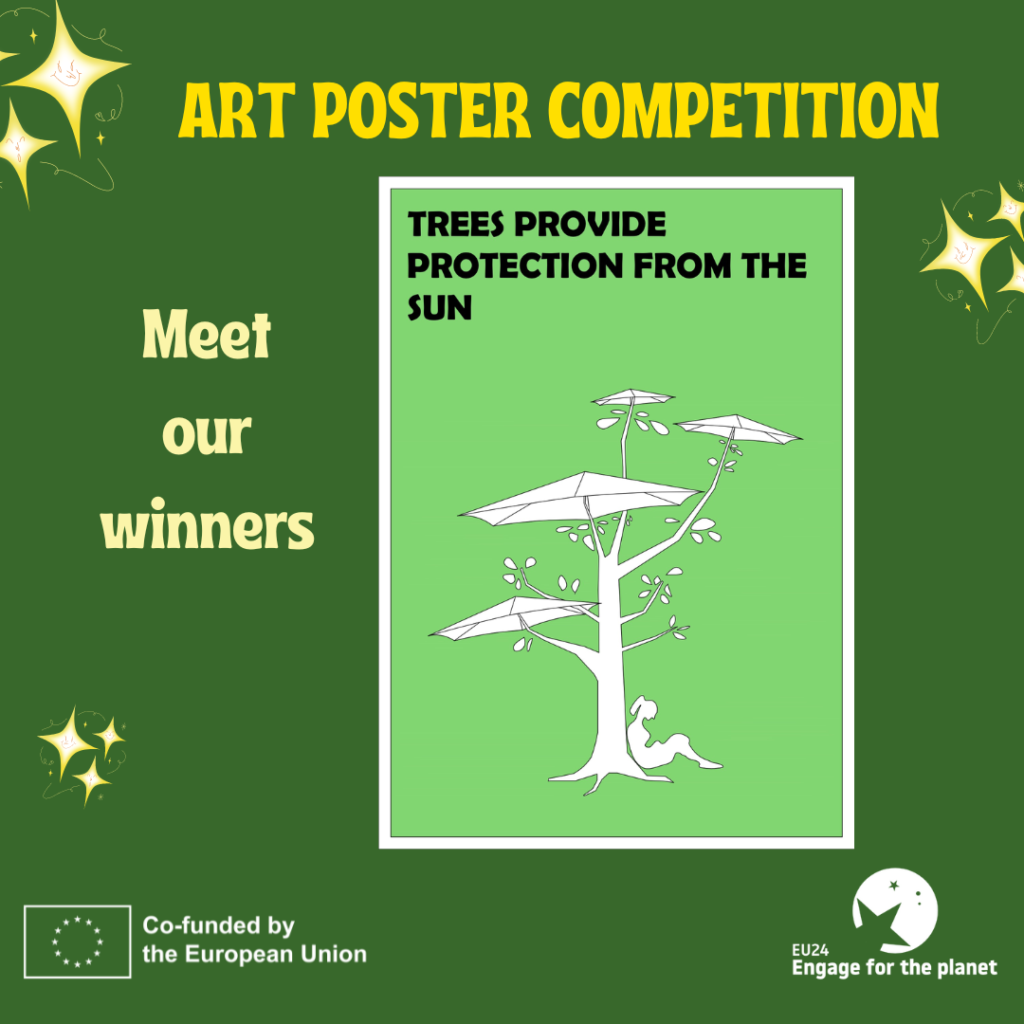
- The Importance of Trees in Our Environment: Highlighting the crucial role trees play in sustaining life and combating climate change.
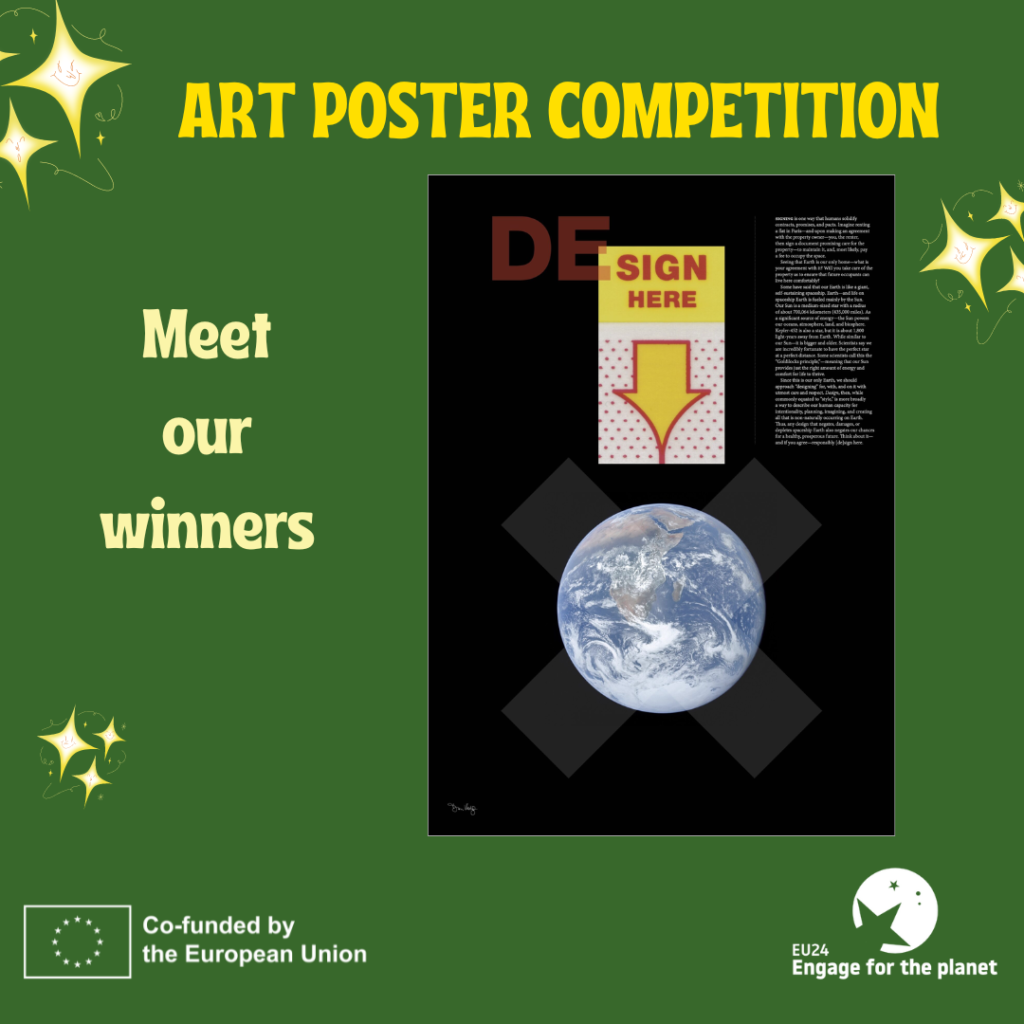
- Design and De-Sign: A creative wordplay to raise awareness about the harmful practices impacting Earth, emphasizing the need for mindful design.
- Equality of All Lives: A vibrant and colourful poster advocating for the equal treatment of all living beings.
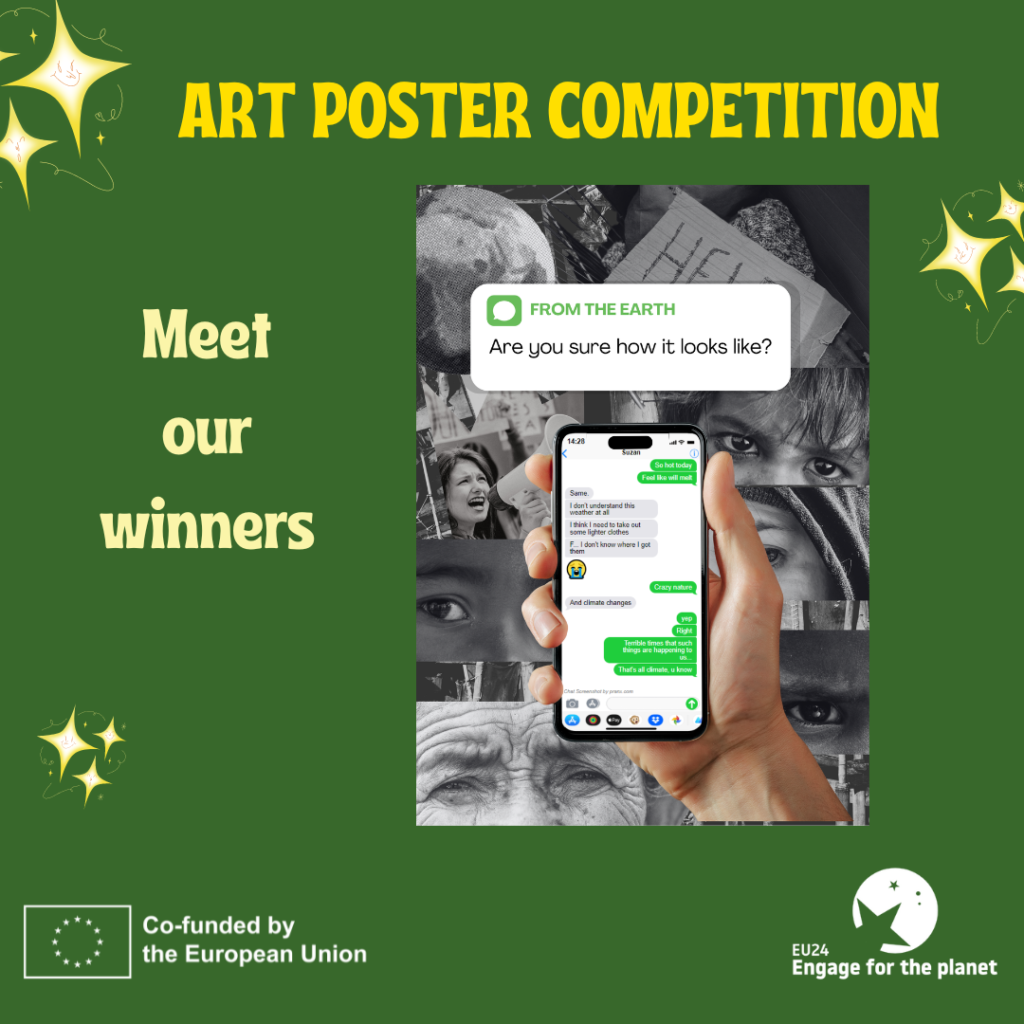
- Rising Temperature Critique: A modern critique presented through text messages and close-up images, focusing on the alarming rise in global temperatures.
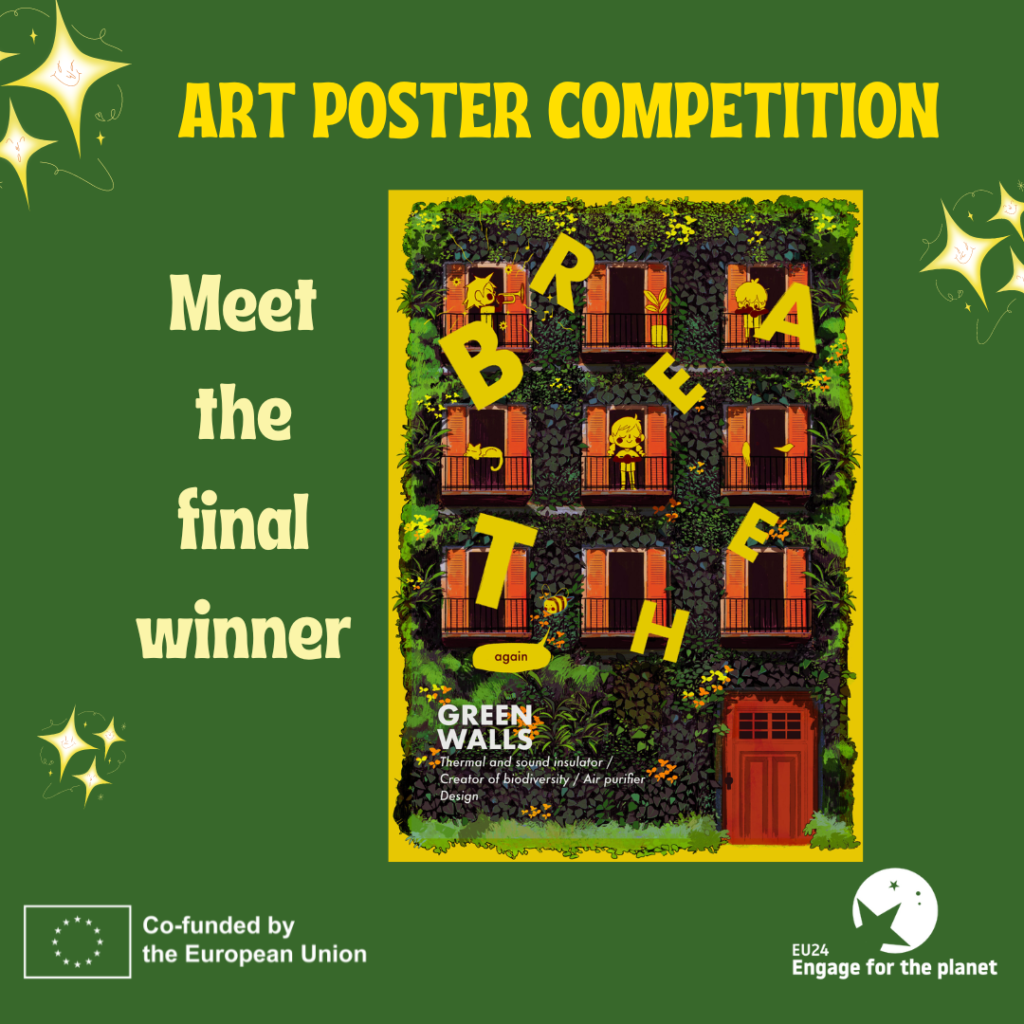
As a result of the competition, we have one final winner for all the competition: Anaëlle Boutin, whose work was called “Breathe” focusing on Green Walls as thermal and sound insulators. She accompanied us in our final event “Diversity and Inclusion in Times of Climate Crisis” in Brussels.
You can find all the submissions of our poster competition on our e-democracy platform.
Artist Demographics and Perspectives
Participants were under or over 18 years old and identified themselves as artists or activists, showcasing a commitment to using their creative talents for advocacy. The theme of Social Climate Justice elicited a wide range of interpretations, with posters focusing on nature, equality, and human perspectives. The diverse approaches to Social Climate Justice highlighted the multifaceted nature of the issue. While some artists emphasized the importance of natural elements like trees, others focused on human equality and the impact of rising temperatures.
The poster competition was a crucial initiative, especially in the context of youth activism, for several reasons. The competition served as a powerful platform for raising awareness about critical climate-related issues. By engaging young artists and activists, it brought fresh perspectives and innovative ideas to the forefront, highlighting the urgency of environmental action.
Empowering Youth Voices
Young people often feel their voices are not heard in larger societal debates. This competition provides them with an opportunity to express their concerns and solutions creatively. It empowers them to contribute to the conversation on climate change and social justice, ensuring that their views are considered in policy and decision-making processes.
Encouraging Civic Engagement
By linking the competition to the EU24 elections and the various themes on Climate Issues, we encourage young participants to become more engaged citizens. It fosters a sense of responsibility and motivates them to participate in democratic processes, such as voting and advocating for sustainable policies.
Fostering Creativity and Innovation
The competition stimulates creativity and innovation among young people. It challenges them to think critically about complex issues and convey their messages through art. This not only enhances their artistic skills but also encourages them to develop innovative solutions to environmental challenges.
Highlighting Diverse Perspectives
The diverse themes and styles of the posters submitted reflect the varied perspectives on Social Climate Justice. This diversity enriches the discourse and helps in understanding the multifaceted nature of climate issues. It underscores the importance of considering different viewpoints and approaches in addressing global challenges.
In conclusion, the poster competition is a vital tool in youth activism. It raises awareness, empowers young voices, encourages civic engagement, fosters creativity, builds a global community, highlights diverse perspectives, and promotes sustainable development. It is an initiative that not only educates and inspires but also drives meaningful action towards a more just and sustainable future. Thank you to everyone who submitted their talented posters to our competition and encourage us to discuss climate issues in the context towards the European Elections 2024.
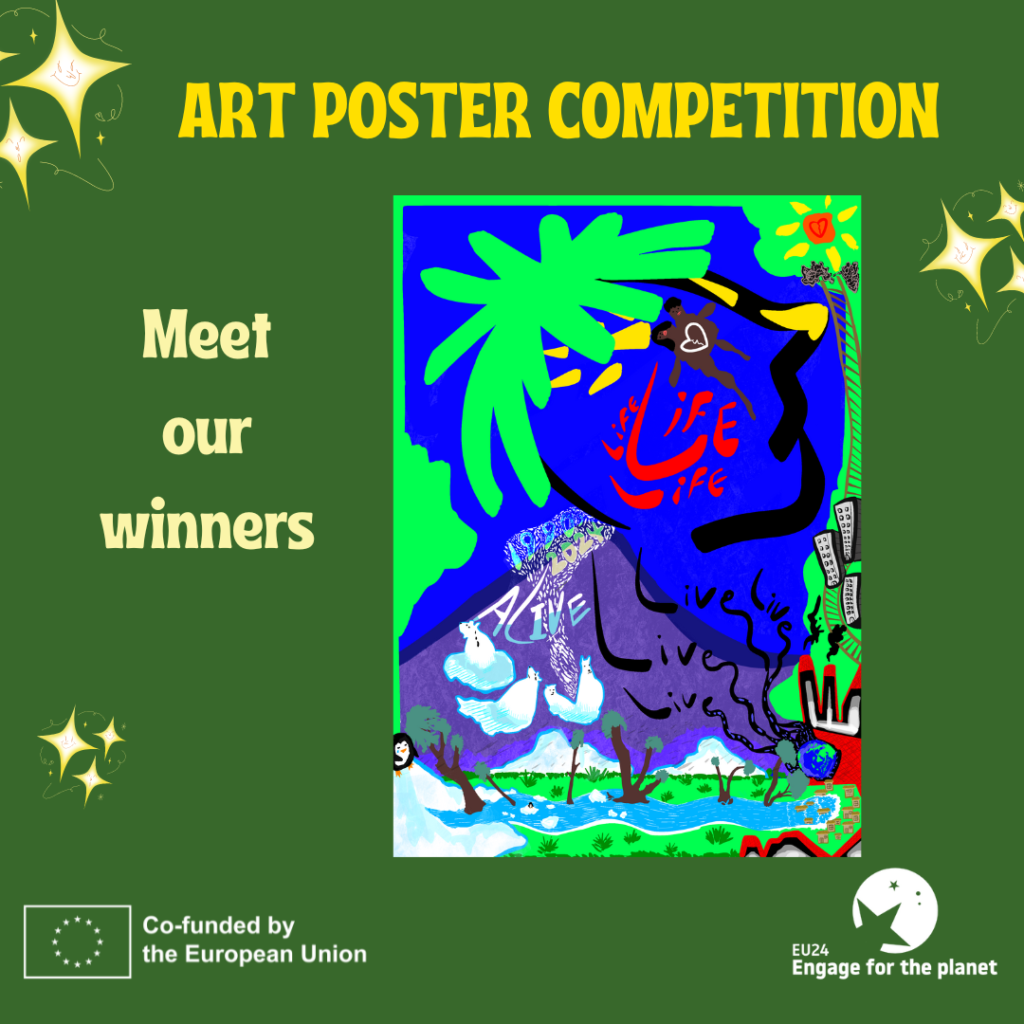
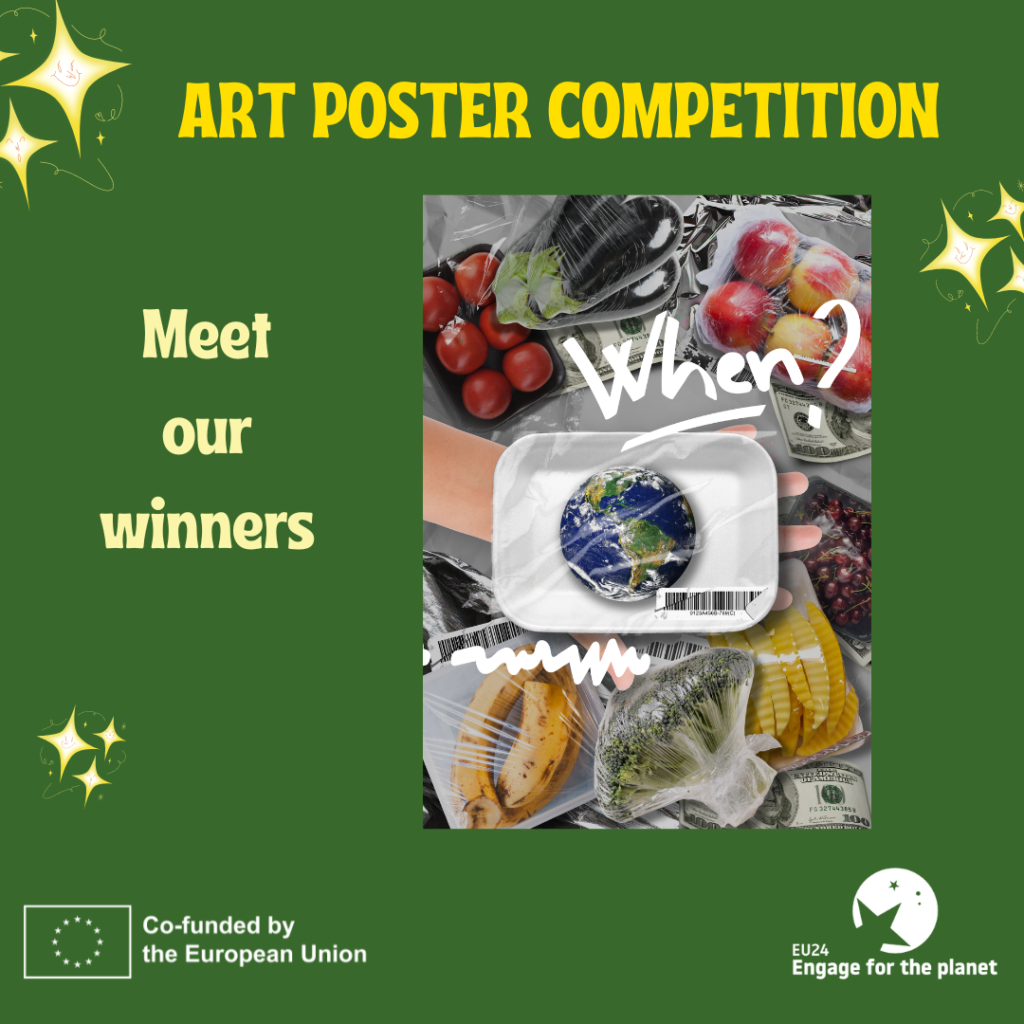
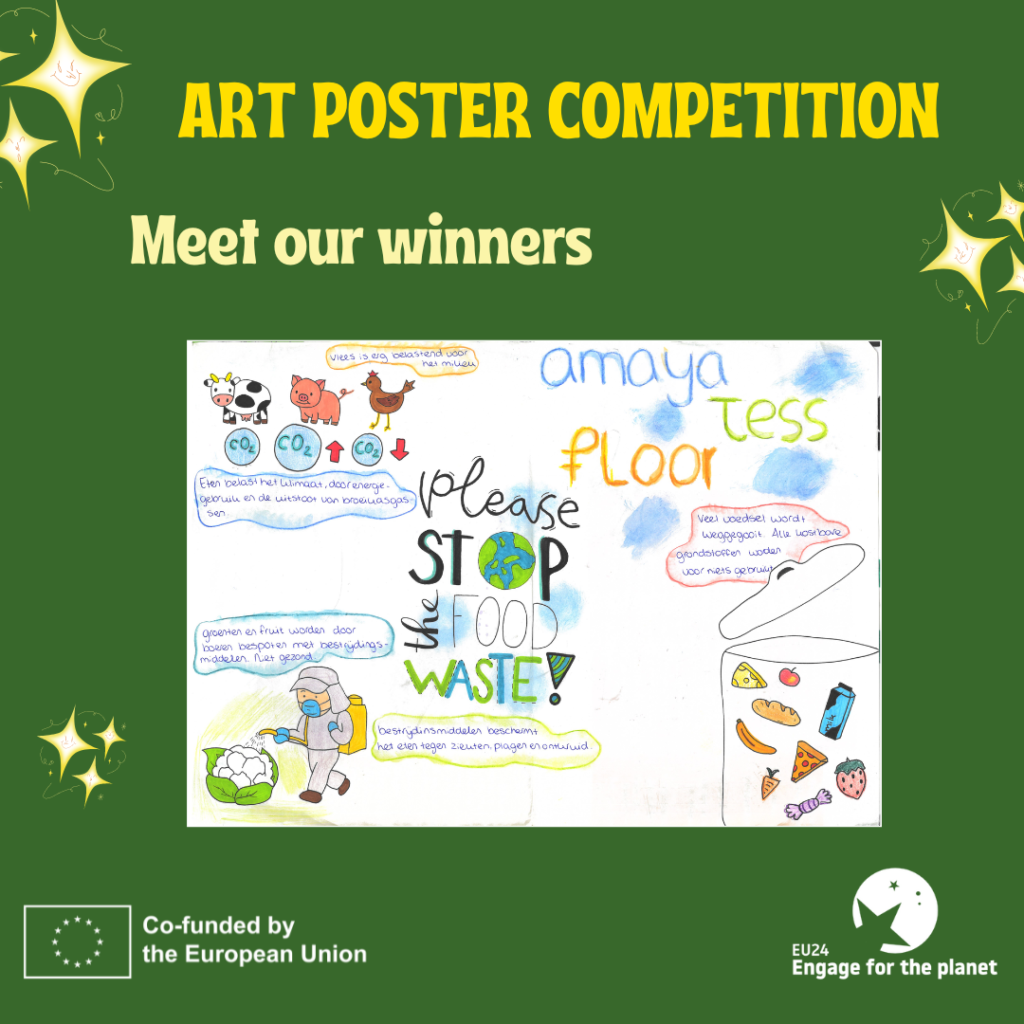
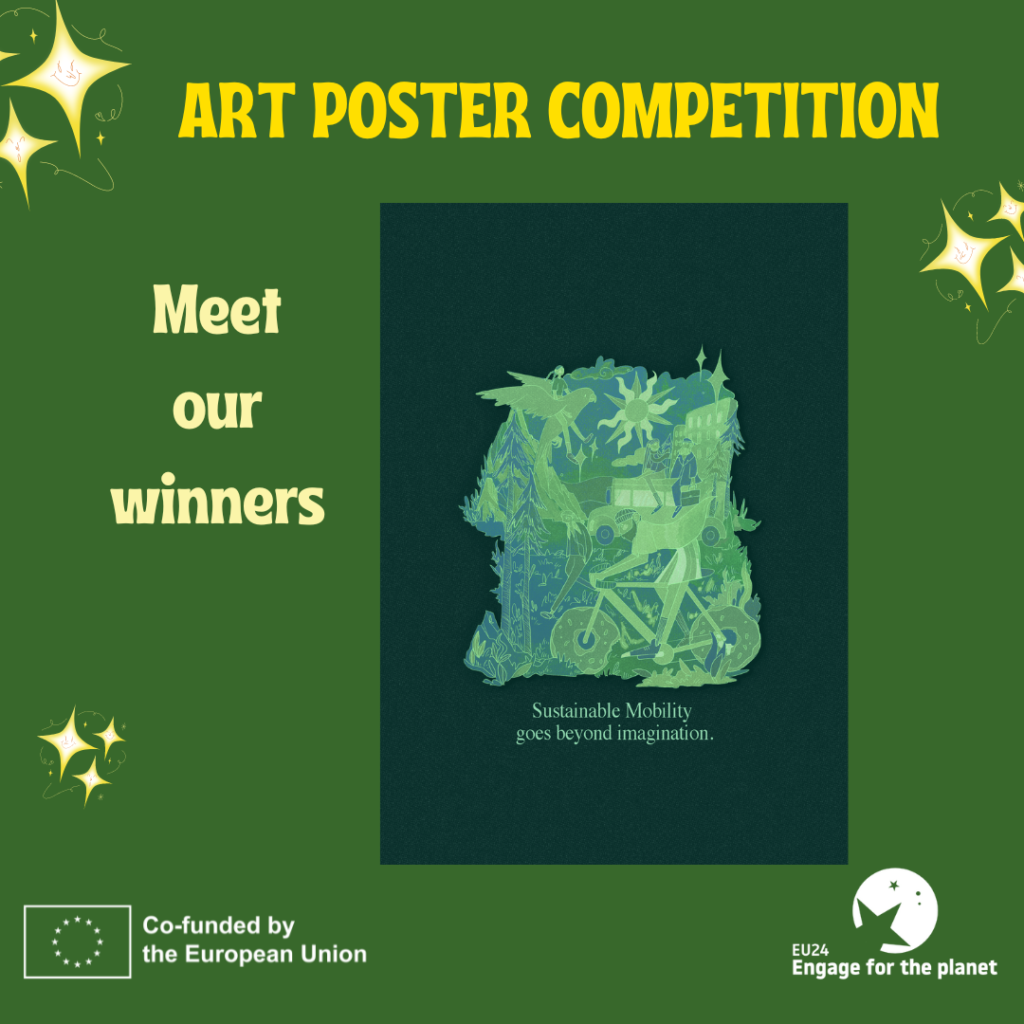
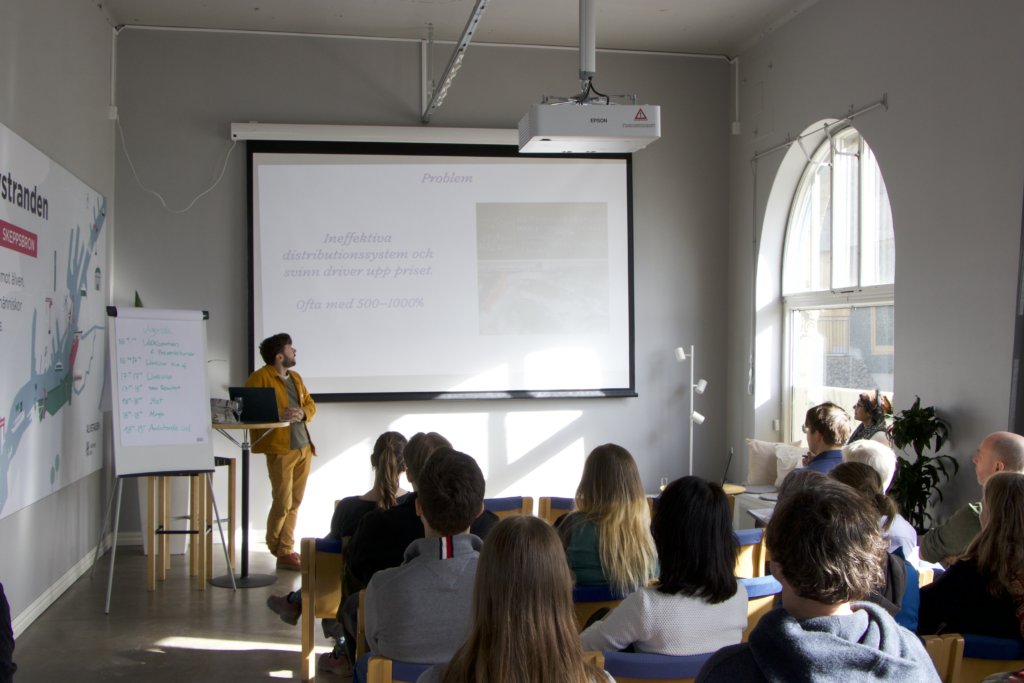
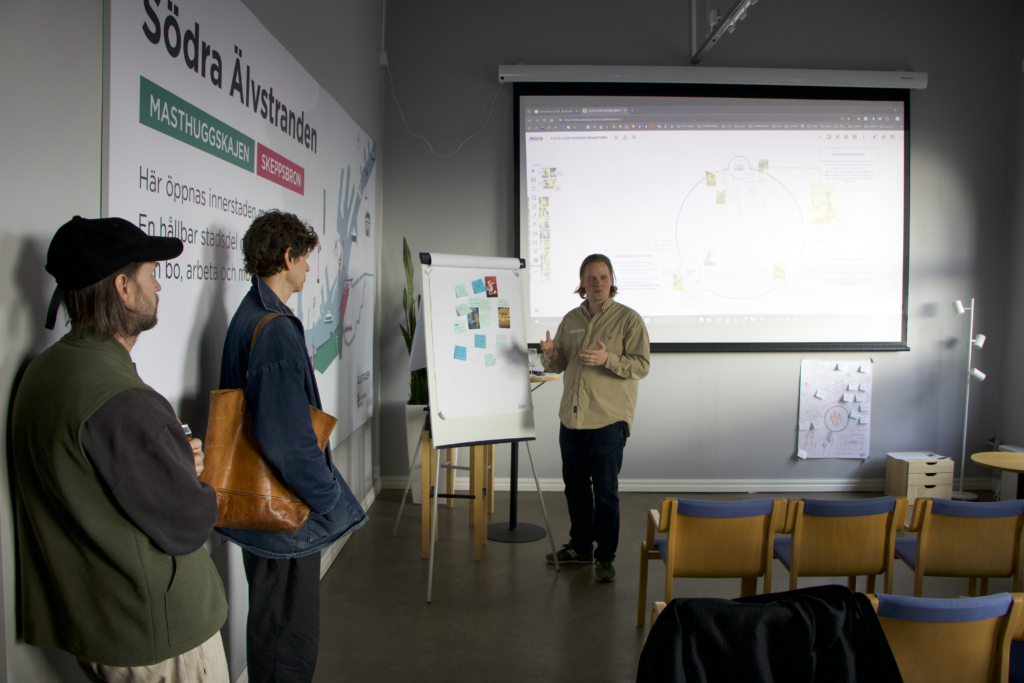
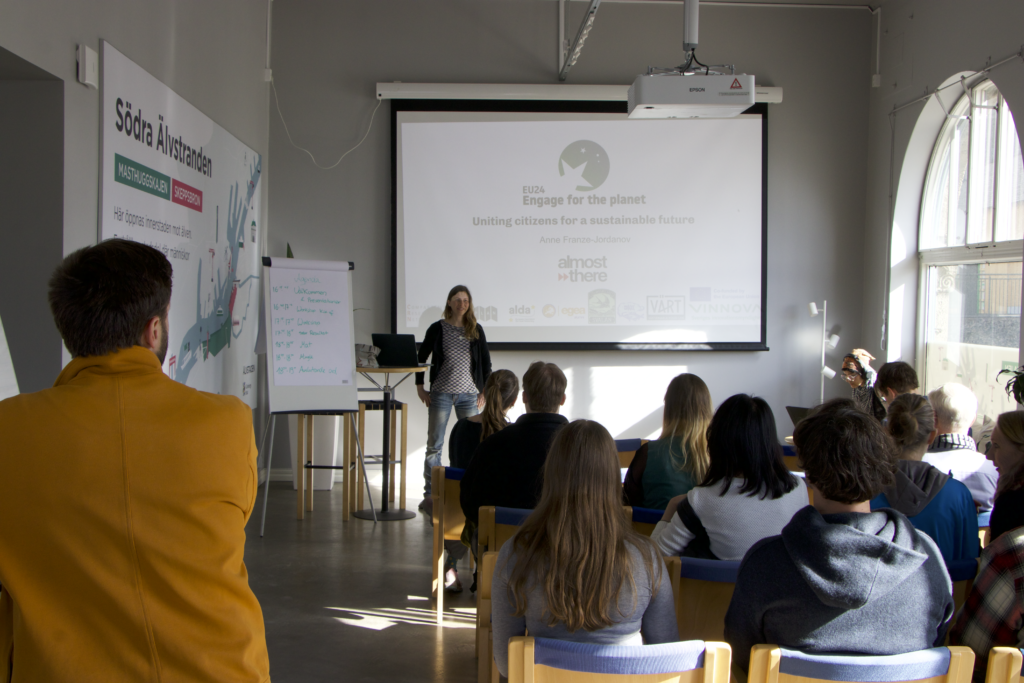
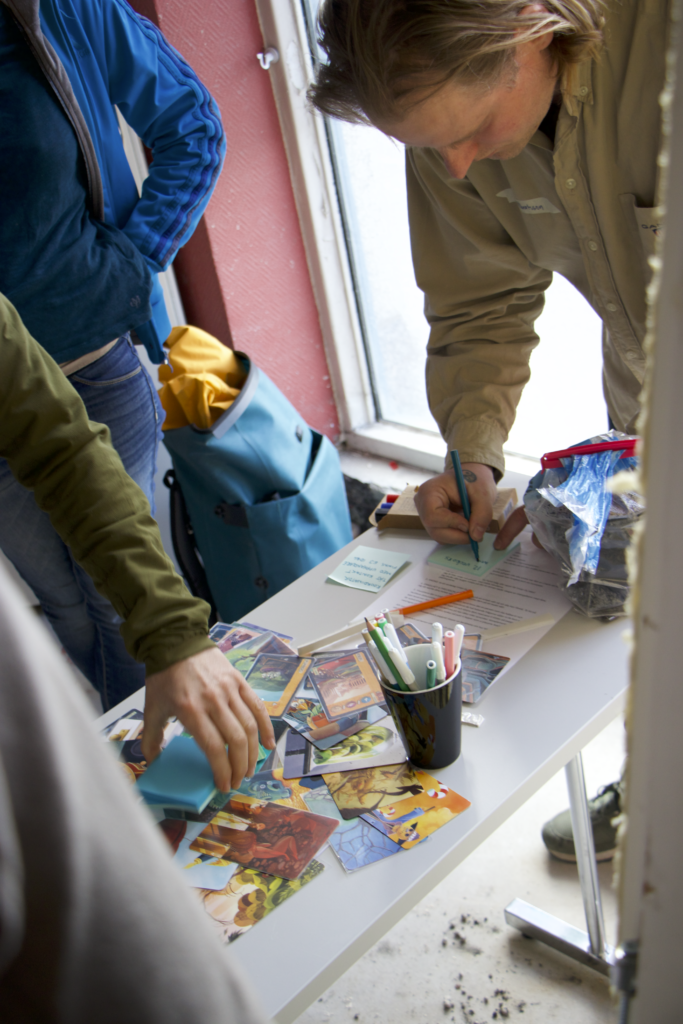
The event was organized as a debate and focused on food sustainability, and more specifically on “Local self-sufficiency – urban food production & logistics” using mindfulness and creative solutions.
This event brought together local food producers, policy makers and sustainability activists to discuss and take action towards sustainable food systems. The dabate was divided into three parts:
- Producers/Sources: This part focused on growing and producing local food. Participants discussed how to be more self-sufficient and compete with global supply chains by using local resources and practices.
- Distribution & Logistics: This part looked at how to get products to consumers. Participants talked about overcoming transport challenges and improving local distribution systems.
- End Users/Consumers: This part focused on consumers’ role in buying local products. Participants discussed how restaurants, shops, and people can make informed choices to support local businesses.
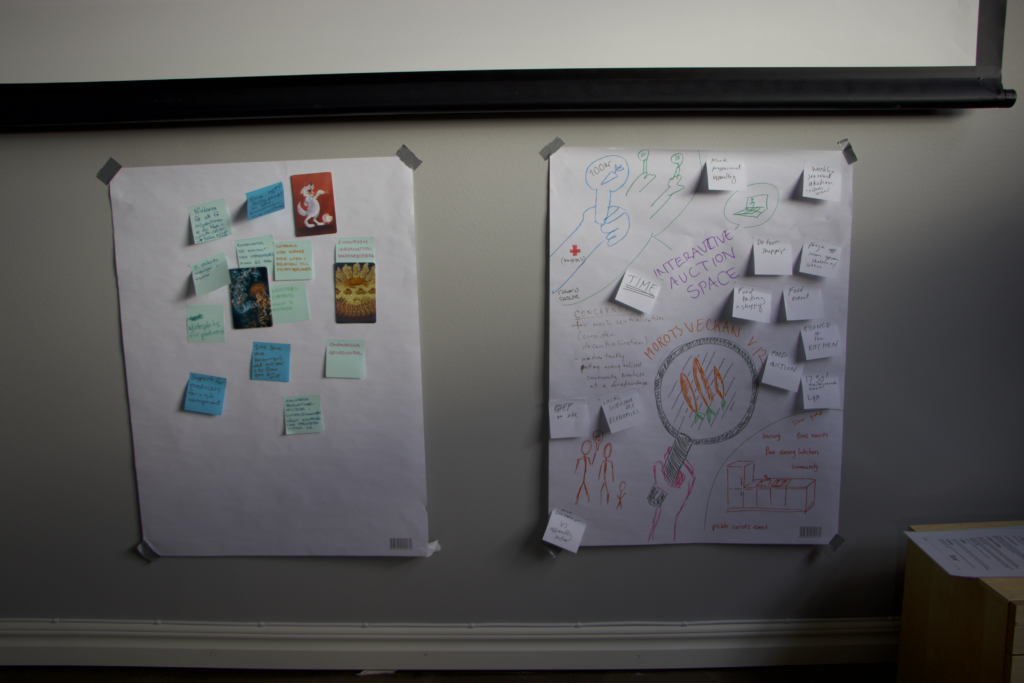
Mindfulness methods were used to engage participants and show how food systems and the environment are connected. The event encouraged active participation and meaningful change.
Key points from the event include the importance of local communities in promoting food sustainability and the need for cooperation across different sectors. The event also helped people network and form partnerships for future projects.
The EU24 project aims to engage citizens in climate conversations and inspire collective action for a sustainable future. Using mindfulness and collaborative problem-solving, we can build strong, local food systems that benefit people and the planet.
The event happened in collaboration with some local stakeholders: Nätet project funded by Vinnova, Västmat, and Värt.
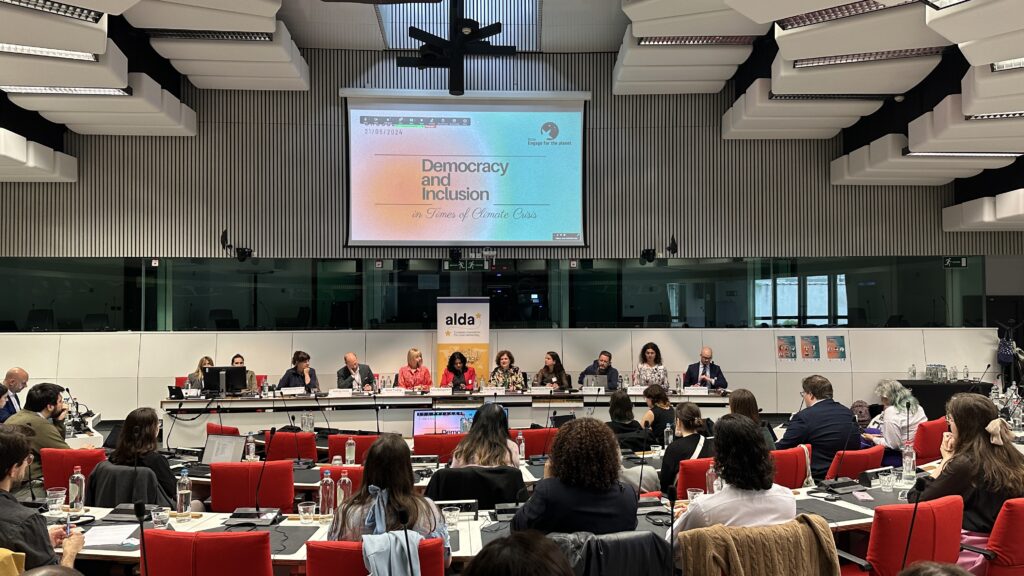
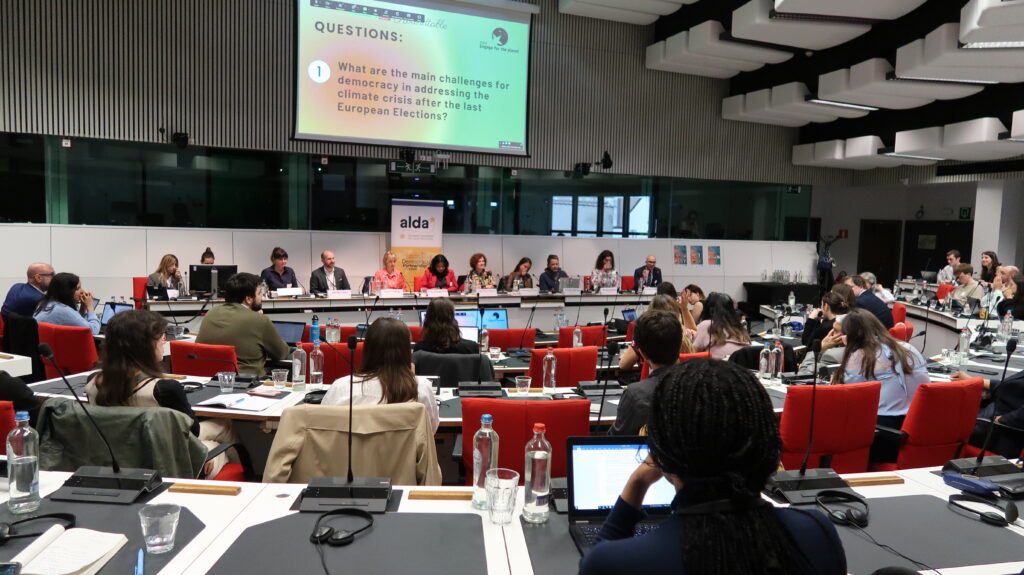
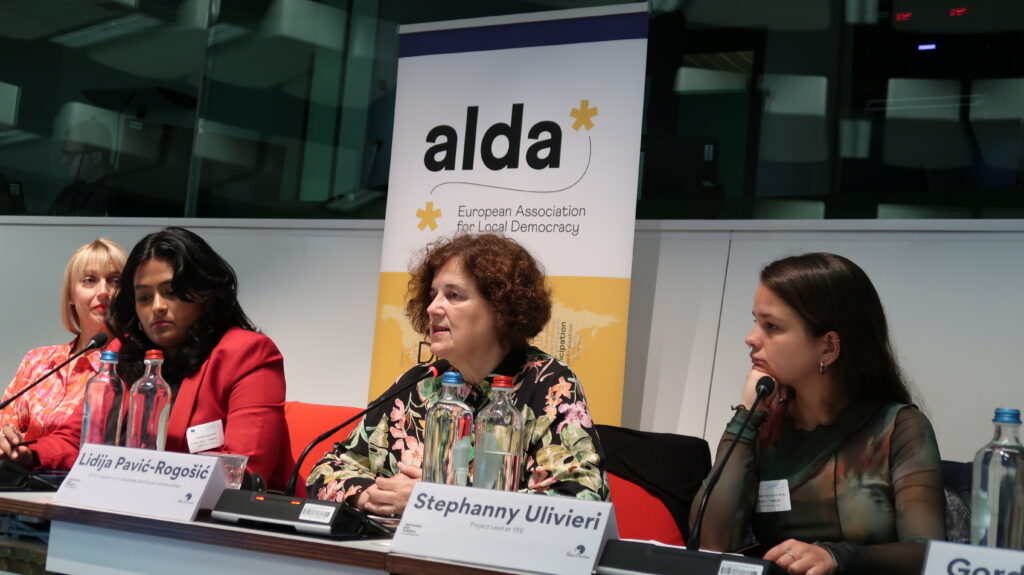
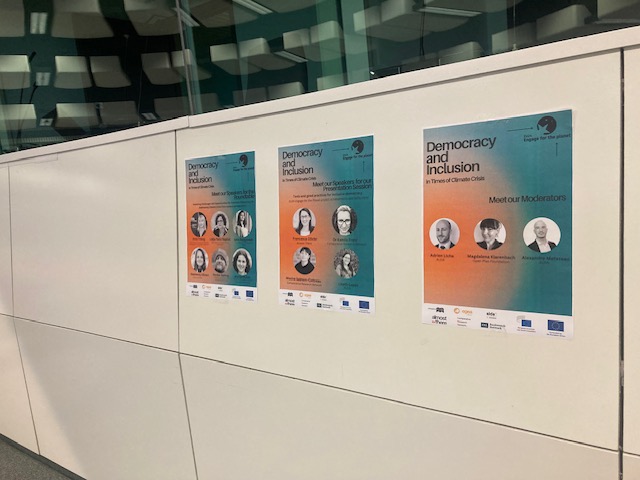
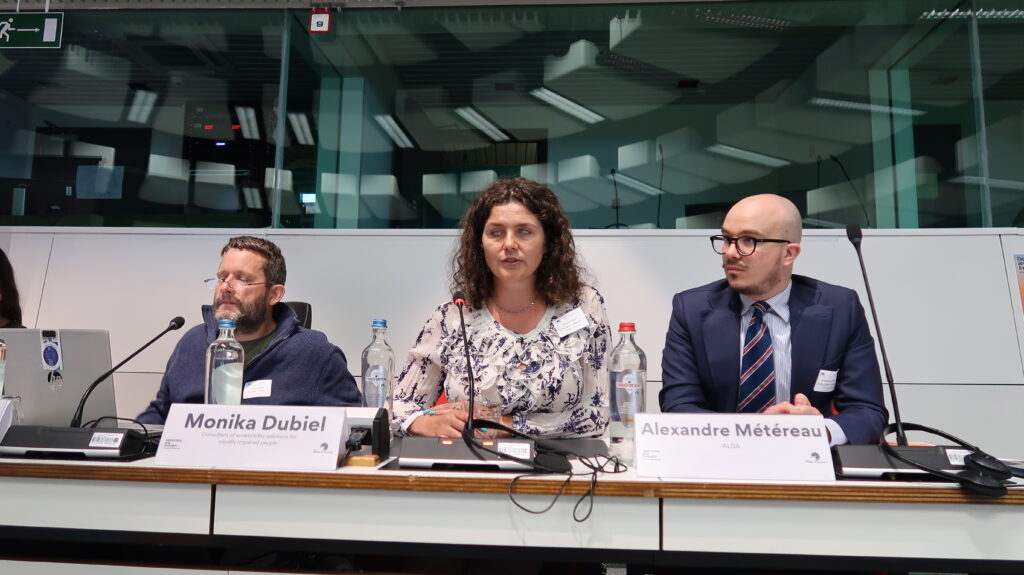
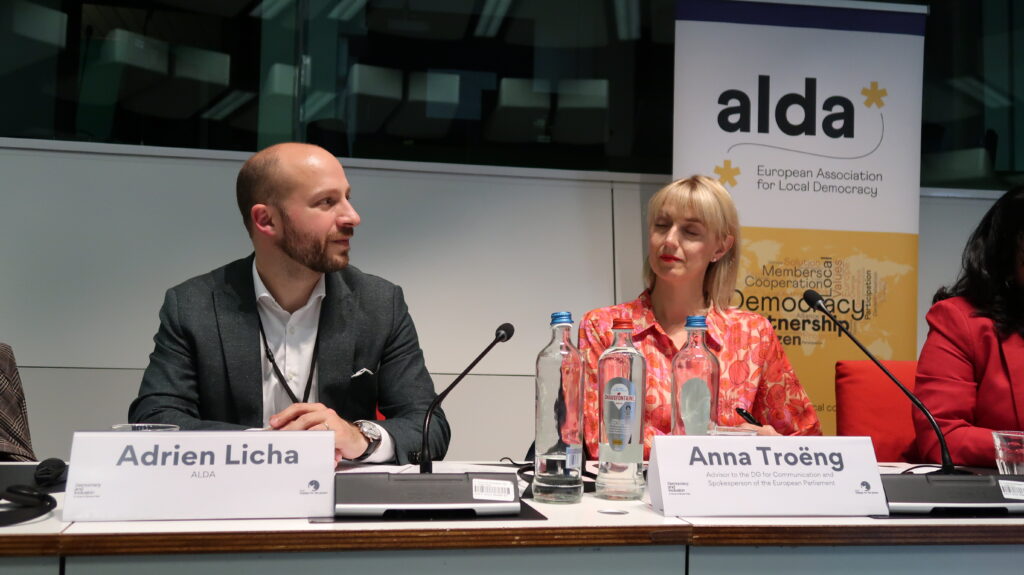
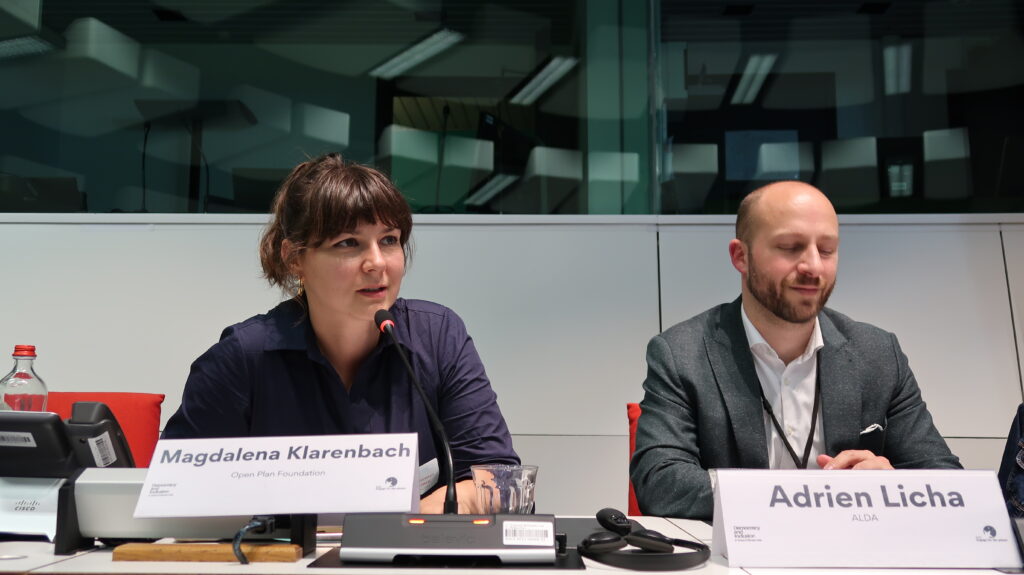
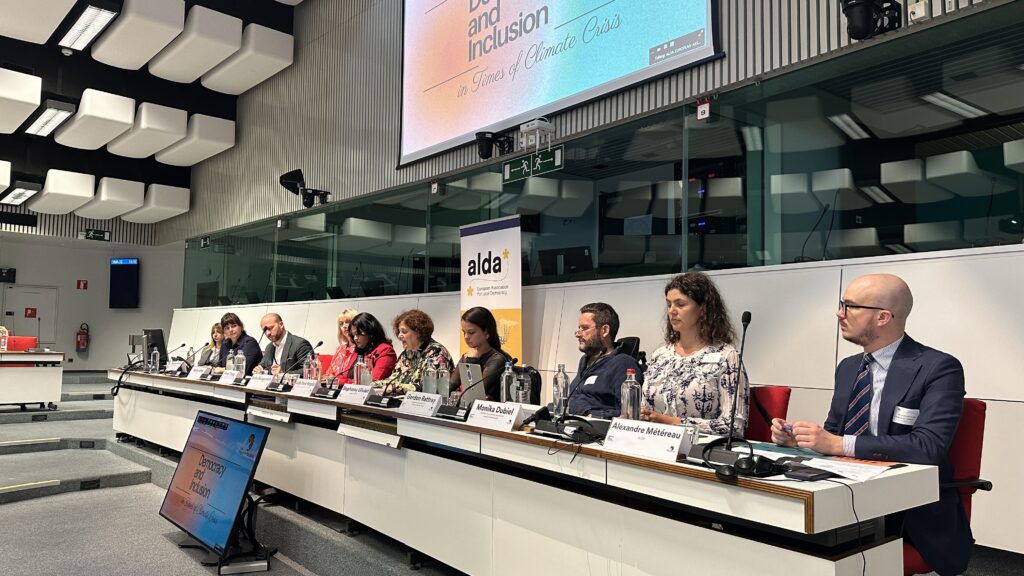
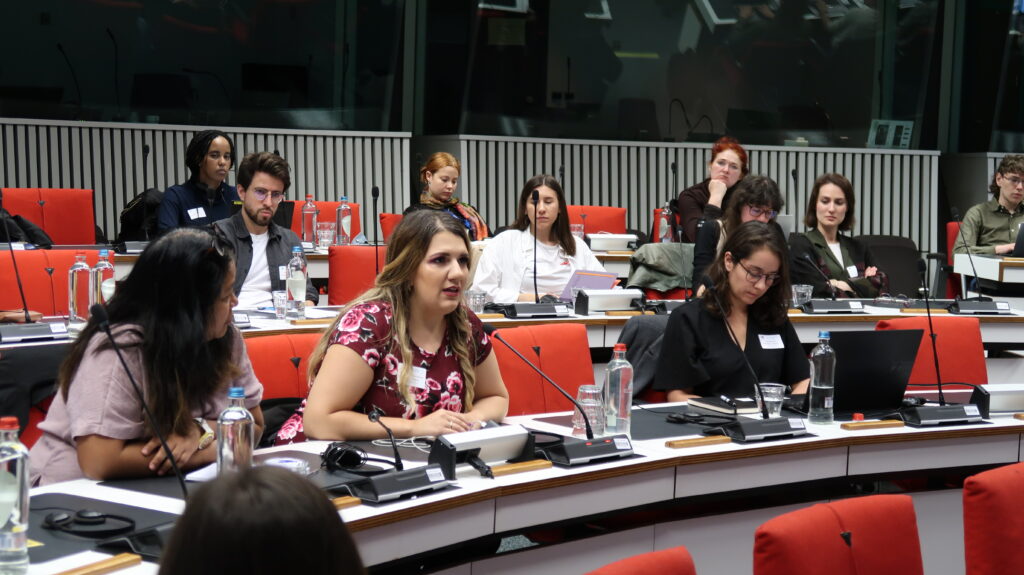
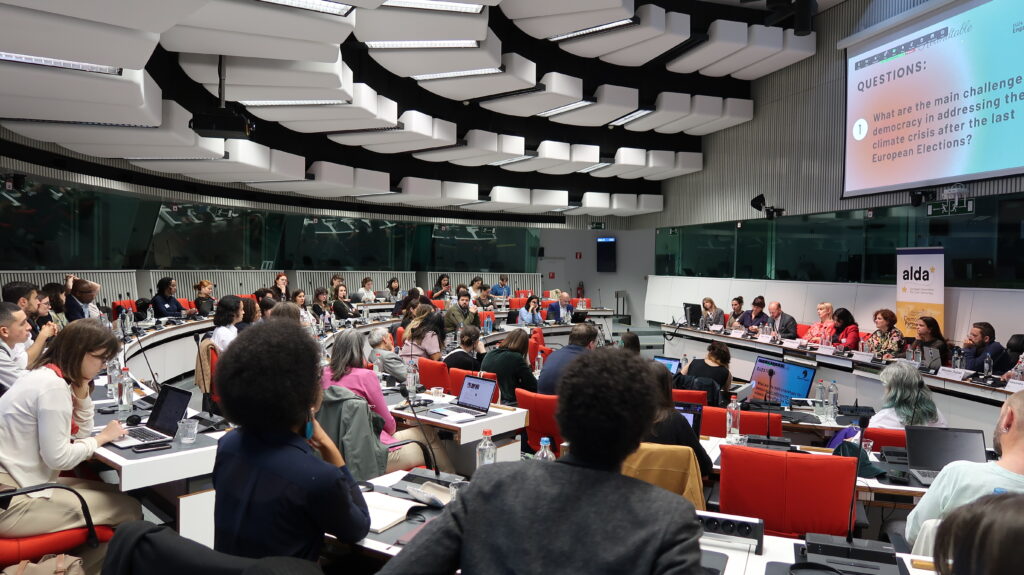
The roundtable discussion offered an engaging exchange for Exploring challenges and opportunities for Inclusive Democracy in Addressing the Climate Crisis from Various Perspectives. Moderated by Magdalena Klarenbach (Fundacja Otwarty Plan) and Alexandre Meterau (ALDA), the session brought together a diverse panel of representatives including:
- Anna Troëng, Advisor to the Director General for Communication and Spokesperson of the European Parliament
- Lidija Pavić-Rogošić, an EESC expert on rural areas and local communities
- Saha Balaganesh, Network Engagement Lead at The Democratic Society
- Stephanny Uliviery, Project Lead at YEE
- Gordon Rattray, Programme Coordinator at the European Disability Forum
- Monika Dubiel, a consultant on accessibility solutions for visually impaired people.
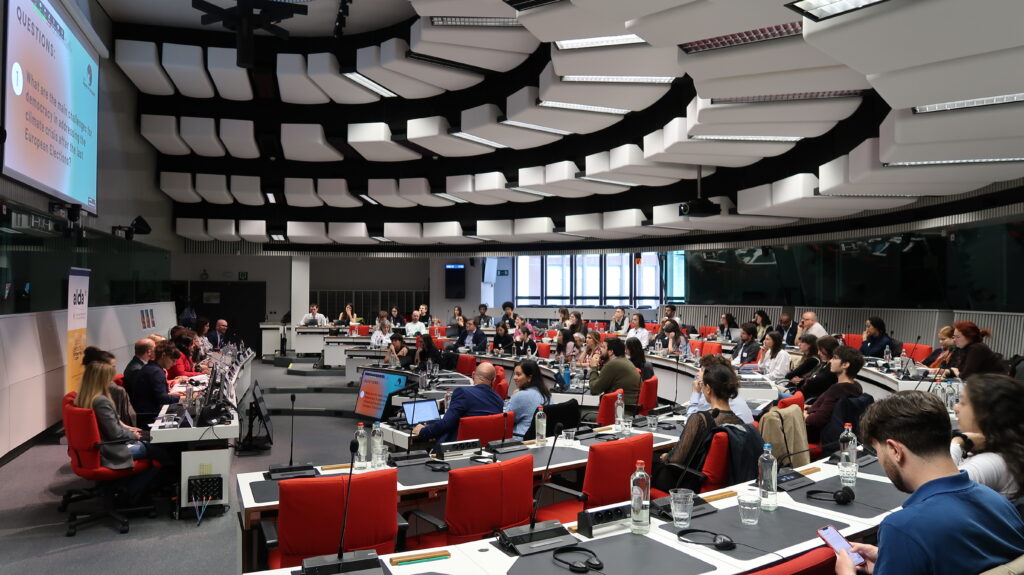
The discussion focused on several critical questions designed to capture the perspectives of the groups represented by the panellists. The panellists addressed the key challenges for democracy and inclusion in tackling the climate crisis, particularly following the recent European elections. They explored how democratic institutions can better integrate diverse social and cultural perspectives into decision-making processes related to climate action. In addition, the panelists shared best practices for involving local communities and marginalised groups in environmental decision-making, underlining the need for equitable and effective climate policies.
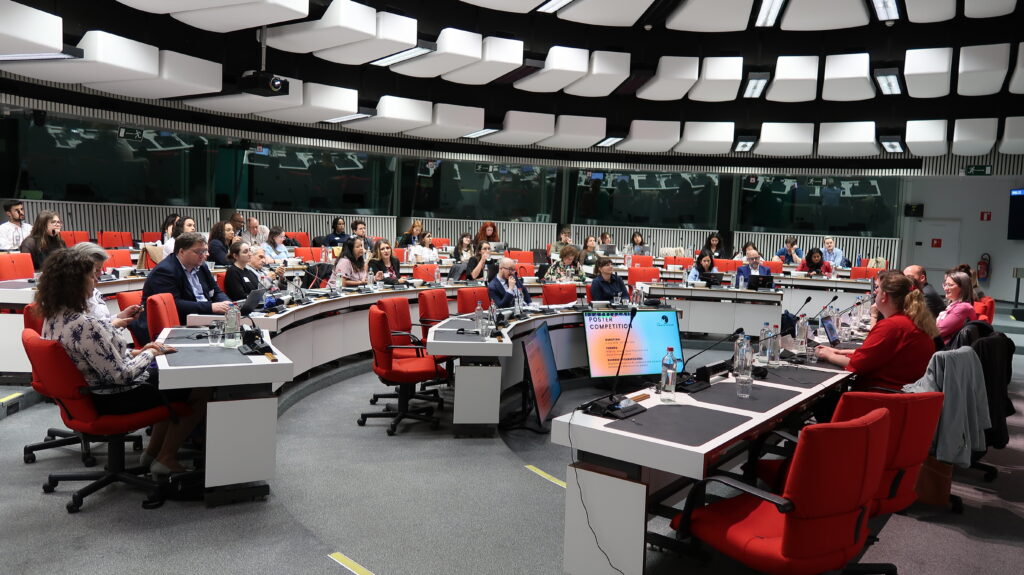
Audience engagement was a key component of the roundtable, with participants encouraged to interact directly with the panelists. Attendees, both in person and streamed online, posed questions and shared insights, enriching the dialogue and highlighting the collective effort required to address the climate crisis inclusively from their perspective.
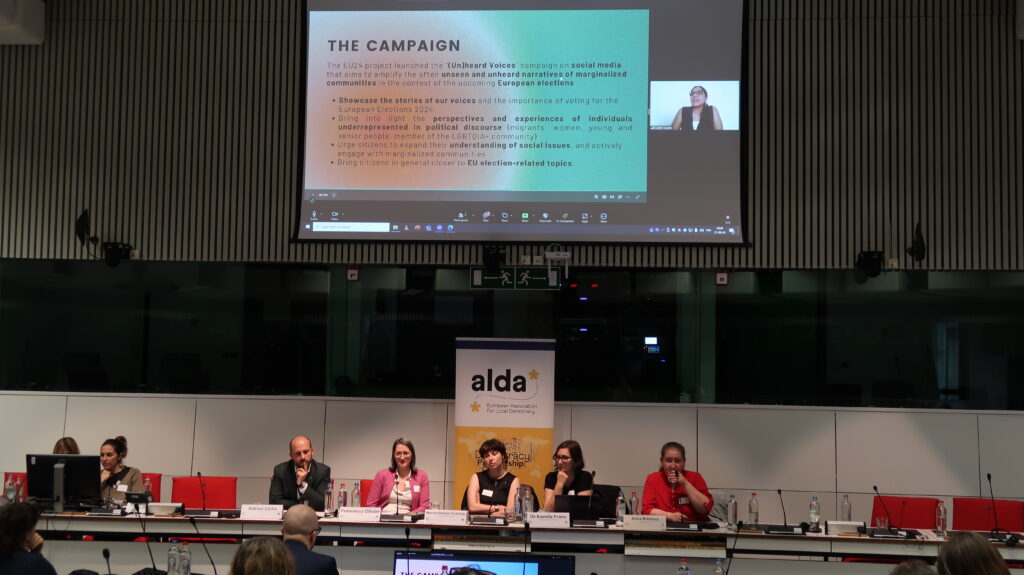
Following the roundtable, the presentation session, moderated by Adrien Licha (ALDA), provided a comprehensive overview of the EU24 – Engage for the Planet project’s activities, achievements, and challenges. This session aimed to present the tools and good practices for inclusive democracy, with a reflection on the EU24 Engage for the Planet project.
Francesca Olivier (Almost There) presented on inclusive public events, discussing how blended format debates on food production, energy, climate justice, and mobility have fostered inclusive participation during the activities of the project in the participating countries: Poland, Strasbourg, Germany, Sweden and the Netherlands. This included recommendations on inclusive methodologies used during these events.
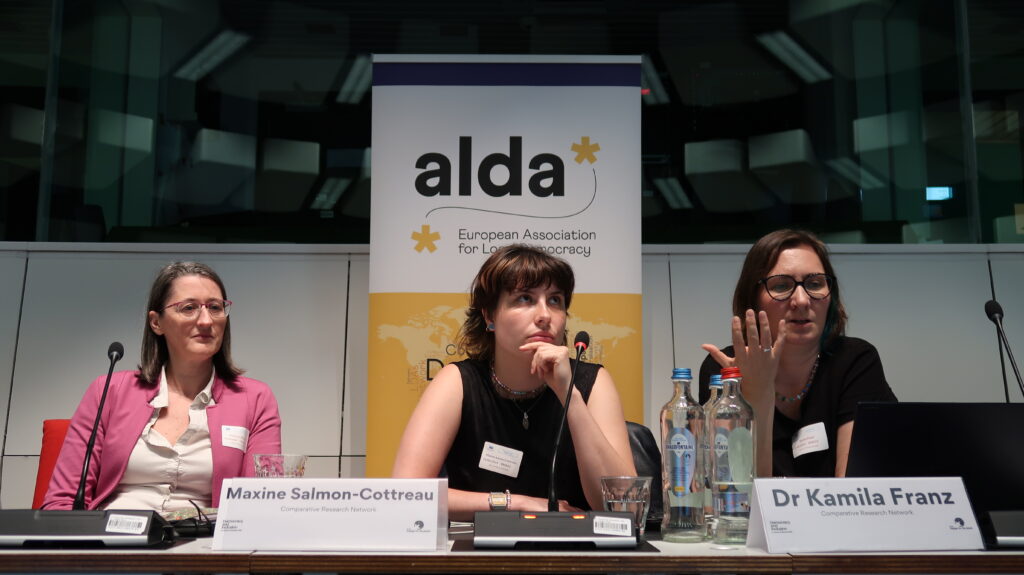
Dr Kamila Franz and Maxine Salmon-Cottreau (Comparative Research Network) showcased inclusive online tools, such as an e-democracy platform designed to enhance civic engagement and created as part of the activities of the project. The platform was highlighted as a resource for organizing and facilitating various types of events, as an Informative hub, and as a place for collaboration. It is qualified as accessible, easy, open, safe, and updated.
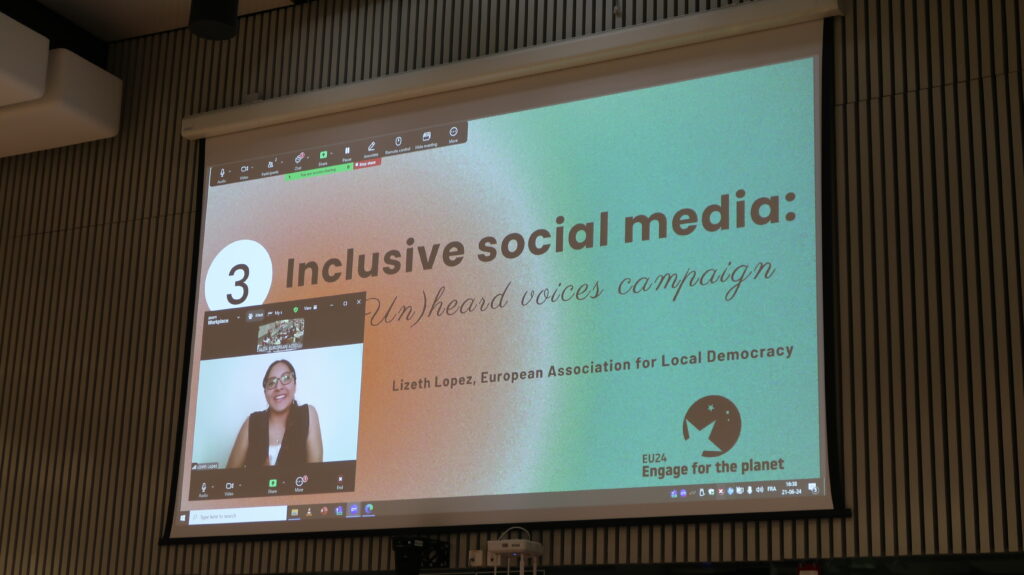
The last part of the session highlighted the importance of inclusive social media. Lizeth Lopez (ALDA) presented the (Un)heard Voices campaign. This initiative aimed to amplify the often unheard and unseen voices of underrepresented groups in the political and climate discourse. The presentation emphasized the importance of disseminating the perspectives of underrepresented groups using channels such as social media and understanding the possible challenges as well as positive outcomes it might bring. To conclude the session, Anna Bieniasz (EGEA Alumni), reflect on inclusiveness and diversity, emphasizing the project’s impact and future directions.
The event concluded with an award ceremony for the international poster competition which was carried out during the project. Representatives of the Comparative Research Network introduced the competition concept, themes involved and submissions reached. A presentation of the winners’ posters from France, Germany, the Netherlands, and Sweden was announced.
The creative and impactful posters of all the submissions were displayed in a digital exhibition, providing a visual representation of the project’s themes and outcomes. Attendees had the opportunity to view these posters and videos from the (Un)heard Voices campaign while enjoying refreshments, rounding off a successful event that underscored the critical intersection of democracy, inclusivity, and climate action.
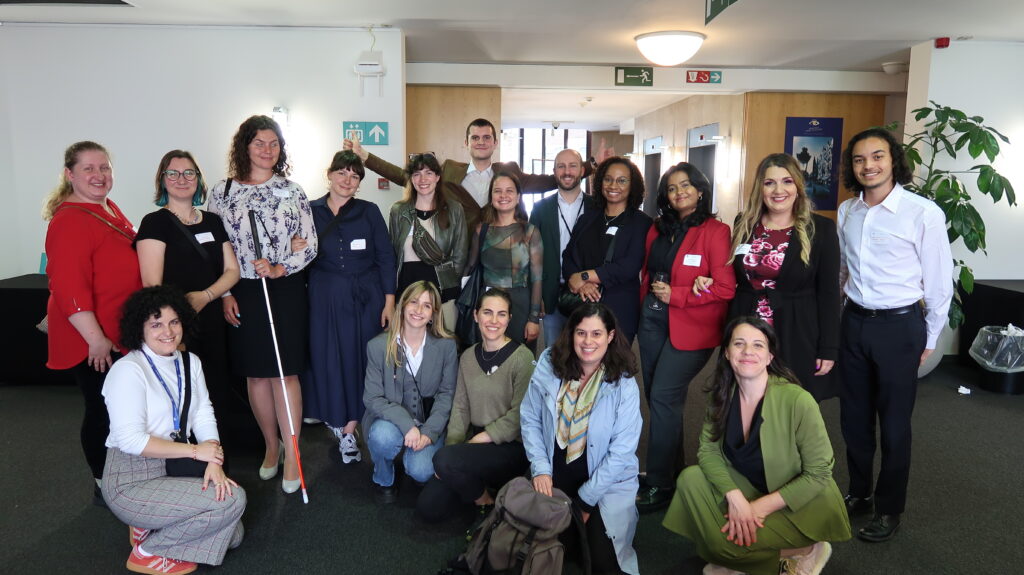
The “Democracy and Inclusivity in Times of Climate Crisis” event provided invaluable contributions thanks to the participation of the attendees.We extend our gratitude to the panellists, moderators, and speakers who provided profound insights and fostered rich discussions. Special thanks to the European Economic and Social Committee for hosting this impactful gathering, and to the attendees, both in-person and online, whose active engagement made the event a resounding success.
The upcoming European elections present a crucial moment for fostering inclusivity and environmental justice in decision-making. Recognizing this, EU24 Engage for the Planet consortium launched a groundbreaking initiative to empower marginalized voices and elevate climate concerns on the European agenda.
Through a series of compelling video interviews, “(Un)heard Voices” brings to light the diverse perspectives and lived experiences of individuals who have been underrepresented in political discourse. From migrants, women, youth, and the elderly to members of the LGBTQ+ community advocating for equality and recognition, each story is a testament to the rich tapestry of identities and struggles that define our continent in times of climate crisis.
For Monika, woman with disabilities from Poland, the biggest challenge as a person with disability in terms of the climate crisis is to be heard. Disability, climate crisis and environmental problems are closely related to each other. One of the most common reasons for disability are environmental issues and climate change. So we are a very vulnerable group which is first to experience the consequences of that crisis.
That is why the right to vote becomes essential in ensuring that the voices of all individuals, regardless of their background or circumstances, are heard and represented in the democratic process.
Voting is simply a duty as well as a right. Voting is a right acquired over time with great sacrifices and social struggles. Continuing to vote and having a say in political decisions and choices will remain, for me, the essential difference between being a citizen and being subjected to politics, claims Karim, a man with migrant background from France.
Due to that, “(Un)heard Voices” goes beyond mere storytelling. It’s a call to action, urging viewers to confront their own biases, expand their understanding of social issues, and actively engage with marginalized communities in the democratic process. By amplifying these voices, we hope to foster empathy, solidarity, and meaningful change in the political landscape of Europe.
/ENDS
]]>Event Details:
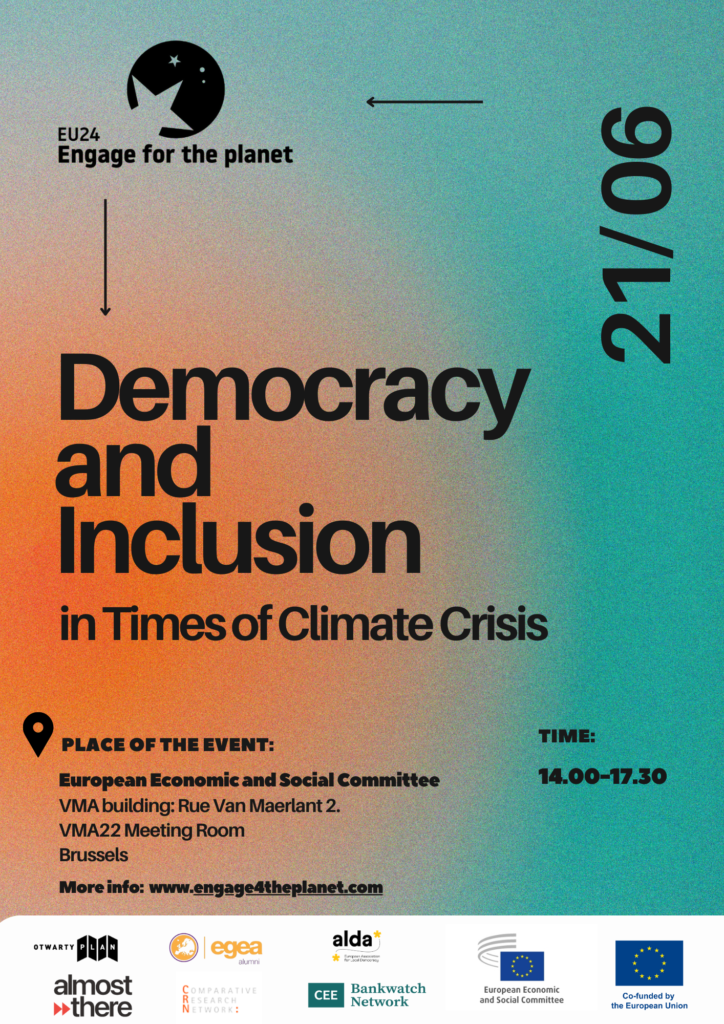
Date: June 21th, 2024
Time: 14:00 – 17:30 CET
Language: English
Location: European Economic and Social Committee
VMA building: Rue Van Maerlant 2., VMA22 Meeting Room, Brussels
Please register: https://forms.gle/6bCdWyrLsXsKAmaw6
Presentation of the Event
The final outreach event of EU24 Engage for the Planet project will showcase the project’s achievements and the tools developed to a broader audience, aiming for significant recognition. This event will emphasize the importance of inclusive democracy in tackling the urgent climate crisis, especially in the context of the 2024 European Elections.
Key highlights of the event include:
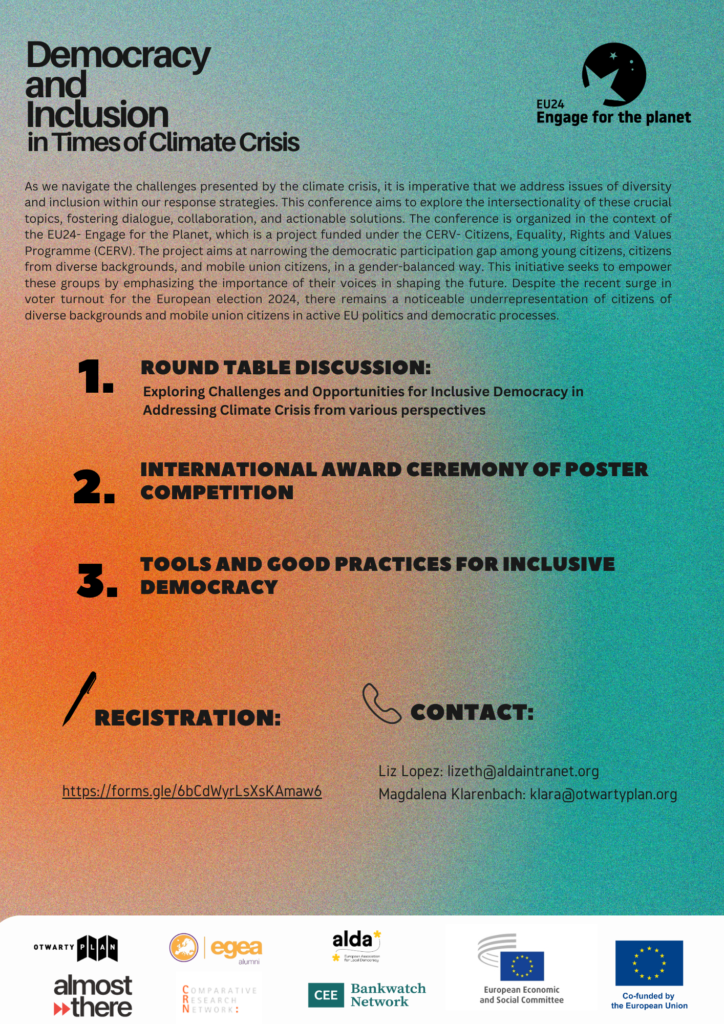
1. Round Table: “Exploring Challenges and Opportunities for Inclusive Democracy in Addressing Climate Crisis from various perspectives”
It aims to foster a dynamic and inclusive dialogue among diverse stakeholders, including policymakers, activists, scholars, and citizens from various backgrounds. The focus will be on identifying both the challenges and opportunities that arise when striving for inclusive democratic practices in the context of the climate crisis.
2. International Award Ceremony of Poster Competition
3. Tools and good practices for inclusive democracy
At the Conference, we will delve into the essential topic of Tools and Good Practices for Inclusive Democracy, focusing on strategies that have been developed to ensure that democratic processes are accessible and equitable for the marginalized groups representatives. This session aims to provide attendees with practical insights and actionable knowledge to foster inclusive democratic participation.
Join us in this significant event to explore, debate, and promote inclusive democratic practices essential for addressing the climate crisis. Your participation can help shape a more inclusive and sustainable future for all.
The morning sessions will feature panel discussions with policymakers, scientists and activists. Afterwards, we will engage in creative expression through circular art activities. The event will culminate in a social climate justice debate, advocating for fair solutions to environmental challenges, which will continue into the evening with food, drinks and further collaboration opportunities. But the event would not be complete without YOU, so join us and make your voice heard!
Event Details:
Date: May 24th, 2024
Time: 11:00 – 19:00
Language: English
Location: Europäisches Haus Berlin,
Am Brandenburger Tor
Unter den Linden 78
10117 Berlin
For any questions, please contact us via email:
maxine.cottreau@crnonline.de
kamila.franz@crnonline.de
11.00 Green Cities Panel
Come along for a panel discussion where our experts explore the power of green cities in shaping our future. From innovative urban planning to urban gardens, our panelists will examine how to mitigate environmental challenges in the cities. Together we will design the path towards vibrant, inclusive, and eco-friendly urban landscapes for ourselves and the next generations.
Confirmed Speakers: Johannes Tolk (Resilient Cities), Prof. James W. Scott (University of Eastern Finland), Przemysław Piechocki (Stowarzyszenie Na Rzecz Spółdzielni Socjalnych), Magdalena Klarenbach (Open Plan Foundation)
12.00 Circular Future Panel
Join us in crafting a greener tomorrow – circular economy and beyond.
In this panel discussion, we will go beyond the boundaries of traditional economic discourse to explore the broader implications of circularity on our planet’s well-being. Our experts will delve into how embracing circular principles in all aspects of life, from waste management to art, can guide the way for a more resilient, equitable, and environmentally conscious future.
Confirmed Speakers: Dr. Volker Ludwig (Deutsche Gesellschaft für Abfallwirtschaft e.V.), Radovan Grollmus (National Recycling Agency of Slovakia), Julia Theek (Circular Art Society e.V.), Anna Krenz (Sinus_3)
14.00 Circular Art Activities
The CirculART-e project revolves around visual art education, digital skills, and circular thinking, aimed at empowering youth with migratory and minority backgrounds across Europe to excel in social entrepreneurship.
During Climate Action Day, a selection of CirculART-e learning sessions and activities will be presented interactively at four parallel tables. From 2:00 PM to 4:00 PM, seize the opportunity to traverse between tables and immerse yourself in hands-on activities that are all linked to the use of visual skills related to various aspects of circularity and the enhancement of social and entrepreneurial skills.
Come and join us for these creative and enjoyable activities and give us your valuable feedback.
14.00 YSCP Young Climate Dialogue
In YSCP project we put focus on the activation of young people in creating a climate policy. During our Dialogue event on the 24th of May, we would like to share with you our video webinars.
Within them, we want to understand the measures taken by governments regarding the effects of human activities on the climate & environment. Our aim is to improve the inclusion of young people in decision-making processes related to climate change adaptation and mitigation. We are inviting all young people to give us your opinion and ideas on how to increase your participation in finding solutions to climate change. Your voices are important to us! Young activism is needed so please join us for finding ways of changing the world for the better!
14.00 Market of Ideas
Explore our projects or showcase your own initiative or organization.
16.30 EU24- engage for the planet – Shaping policies for a fair transition
As we confront the escalating challenges posed by climate crisis, policymaking must reflect the needs and concerns of all members of society. Our discussion will center on ensuring inclusivity in policy development at various levels, from local municipalities to national governments, European Union and beyond. We’ll explore strategies to amplify voices often marginalized in decision-making processes, fostering a more democratic and representative approach to governance. Let’s come together before the European Parliament elections to shape policies that address the pressing issues of our time, ensuring a just future for all, within and beyond the borders of the EU.
Confirmed Speakers:Christian Arnd (Die Linke), Jan-Denis Wulff (die Grünen), Arturo Winters (SPD), Dr. Antonia Schwarz (Climate Change Center Berlin Brandenburg), Xabier Gomez (Youth and Environment Europe), Anna Geuchen (Deutscher Naturschutzring)
11.00 – 19.00 Climate change in Africa and European responsibility
Throughout the whole day you can also explore the NARUD’s exhibition “Climate change in Africa and European responsibility”.
The exhibition specifically raises the subject of climate change, and how it impacts African countries: even though they have hardly contributed to it, they are already dramatically affected by its effects. NARUD’s exhibition thus provides information on the current consequences of climate change in Africa such as flooding, devastation, droughts, flight and displacement as well as the impact on the lives of women. It also presents exemplary African climate protection projects
and African perspectives on climate justice. It discusses the status of climate aid from the industrialized countries responsible for climate change and raises awareness of the need to live up to Europe’s responsibility for climate change and do more for climate justice.Post navigation
We invite you to a unique seminar on climate migration, which will be held on June 13-14, 2024 in Krakow, Poland. The event will focus on the issue of climate change-induced migration and its relationship to social justice issues.
About the Seminar:
At the Climate Migration as a Matter of Justice seminar, we will explore various aspects of climate migration, including its causes, consequences, and challenges to protecting climate migrants. Our goal is to seek solutions that can contribute to building a more sustainable and just future.
The seminar is part of the Open Plan Foundation’s Climate Justice Program. It is a comprehensive initiative to address the intersecting challenges of climate change through the lens of social justice and equity. The program aims to increase awareness, understanding and action on climate issues, particularly focusing on marginalized communities and their unique vulnerabilities. Through a combination of research, advocacy and community engagement, the program aims to empower individuals and communities to mitigate and adapt to the consequences of climate change in a fair and equitable manner. Key components of the climate justice program include education and outreach initiatives to raise awareness of climate justice issues, capacity-building activities to increase the resilience of vulnerable communities, and policy advocacy to promote inclusive and sustainable solutions at the local, national and international levels.
The seminar will be held thanks to the financial support of the Foundation for Polish-German Cooperation
Agenda:
- Introduction to the issue of climate migration
- Discussion of the causes and consequences of climate-induced migration
- Discussion of the challenges of protecting people with experience of climate migration
- Exploring solutions in the context of social justice and sustainability
How to sign up:
To participate in the seminar, please fill out the registration form. Places are limited, so we encourage you to register quickly.
]]>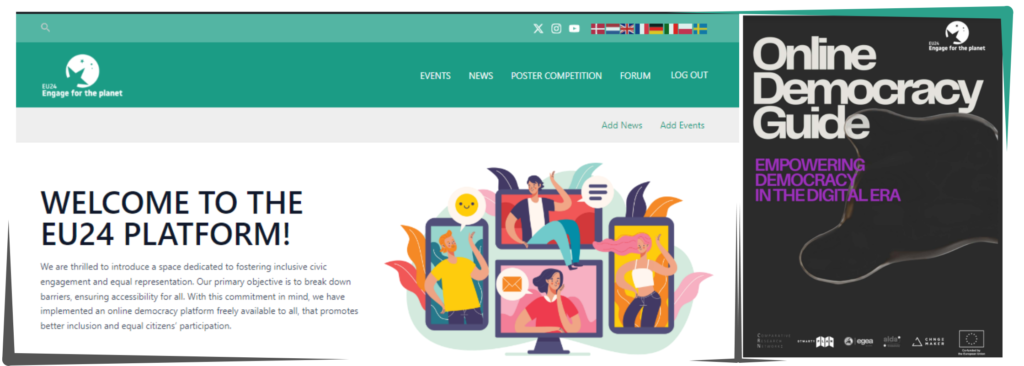
The Online Democracy Platform and Guide are an integral part of the EU24 – Engage for the Planet project, designed to promote inclusive political engagement in Europe, simultaneously raising awareness about the climate crisis and guiding knowledge about the upcoming European Parliament Election 2024.
To support these efforts, an online open-source interactive platform was created. The platform focuses on communication, democratic participation, and networking, offering tools for online and hybrid events related to the EU24 project.
The Online Democracy Platform aims at:
- Keeping the users (citizens) updated on news, events and developments of the project
- Providing a safe space to discuss questions and climate concerns about the upcoming EU elections in the fields of social climate justice, energy, food production, and mobility.
- Providing a networking space for users and organisations in the field.
We hope that the list of applications will grow together with the growing community of the platform users. The process of creating the platform as well as its application are described in detail in the Online E-democracy Guide. Additionally, the guide offers recommendations and guidance for creating online and hybrid events, in the shape of an interactive checklist. It also features an extensive library of online democracy tools, providing organizations, and policymakers with more resources. The platform and the guide are both interactive and in constant evolution and we welcome any suggestions.
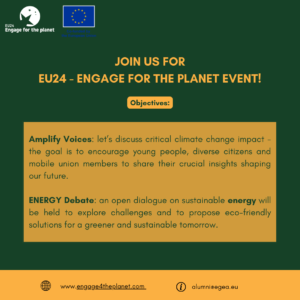
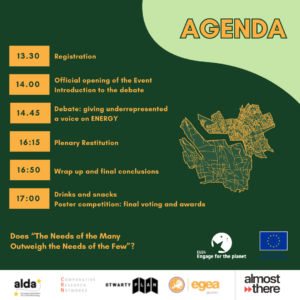
]]>To reach a sustainable future a transition to green energy is required. We will focus on ENERGY as one of important aspect when aiming to tackle climate crisis. For the location of the debate we’ve chosen a very specific region, where debate on energy is very active and local citizens have vital interest in shaping local, national and European policies.
Groningen, Drenthe was chosen specifically to host the debate on ENERGY as southern Groningen and Drenthe have a history of underground energy resources, heavily influencing the landscape until this day. To reach a sustainable future a transition to green energy is required.
Case of the region:
The Groningen natural gas field has been a topic of numerous discussions: the gas led to significant wealth but also resulted in a crisis of gas-related earthquakes damaging homes and buildings in the region. The impact on local communities is ongoing, with a substantial restoration project spanning the entire region, permanently altering the aesthetics of historic villages. The management of the gas-related earthquakes turned
into a national political crisis, eroding civilian faith in governmental competence. Besides the damage, this crisis fueled the debate on the energy transition and the role that the province of Groningen is willing to play. Groningen has the potential to farm green energy like wind and solar energy. The geographical factors make this region a promising green energy area. On the other hand the province might not wish to be an
area of energy farming again.
While gas extraction in Groningen ended in October 2023, the Wadden Sea gas fields and off-shore energy production by windmills are being considered as potential alternatives. Off-shore energy production has gained renewed relevance due to the conflict between Russia and Ukraine. However, the effects of gas mining and off-shore wind farms are debated due to potential ecosystem impacts on this unique UNESCO
Wadden Sea area. Off-shore farming also comes with new challenges like energy transportation and energy storing. Southern Drenthe is home to the largest oil field in Western Europe. It marks the establishment of the Nederlandse Aardolie Maatschappij (NAM) in the oil village of Schoonebeek. For a long time, it was seen as a great opportunity for locals, and NAM contributed to numerous facilities for the local community. However, due to the Groningen gas earthquakes, there is now growing suspicion against NAM, resulting in a strained relationship between the company and the villagers.
The goal of the event is to:
– To empower and amplify underrepresented voices: Join us in discussing the critical issue of climate change and its impact on our planet. We encourage young people, citizens of different backgrounds and mobile union citizens to voice their opinions and ideas as they play a crucial role in shaping the future.
– Green ENERGY – challenges and recommendations: Immerse yourself in a high- profile debate on Navigating the Path to Sustainable Energy. Together we will explore the challenges and propose sustainable recommendations for a greener and more sustainable future.
Your voice matters in the fight against climate change and in the pursuit of green ENERGY solutions. Let’s come together on 14 th March 2024 because your voice counts!
Register before 1st March via this link: https://forms.gle/BcmFuviadefho7mk6
On November 29, 2023, the Comparative Research Network organized an engaging online debate exploring the disproportionate impact experienced by women amid the global climate crisis. The event gathered a diverse panel of speakers, each representing distinct spheres intersecting with the climate crisis. Our speakers shed light on the different experiences of women: those with disabilities, those in the Global South, activists from different age groups, artists, and scientists.
Five out of seven amazing speakers connected remotely, while two speakers joined from our office in Berlin, accompanied by two moderators – Maxine Salmon-Cottreau and Dr. Kamila Franz, a live audience and a technical team.
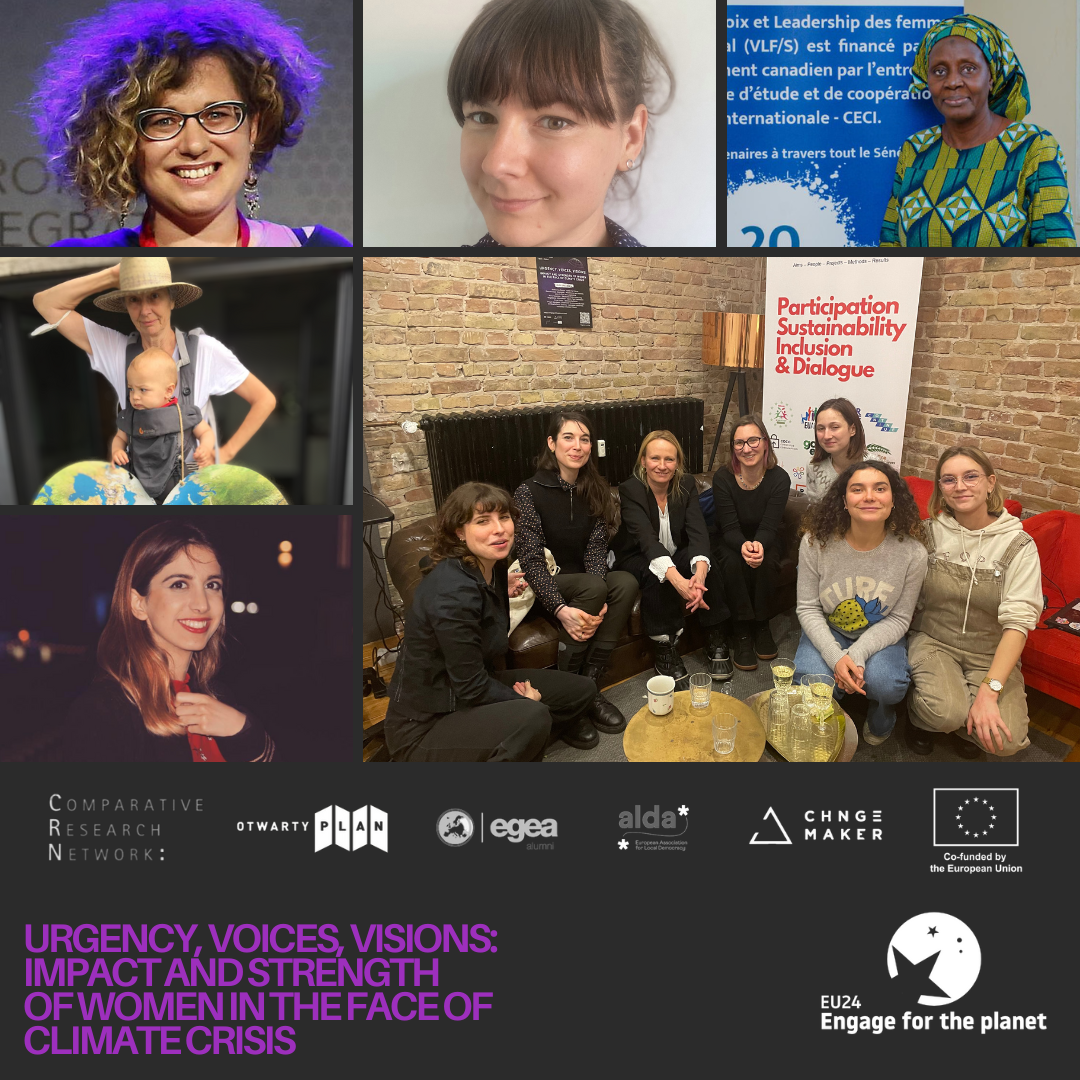
Our speakers: (on top, left to right) Dr Magda(lena) Szarota – Lancaster University, Humanity in Action Poland, Magdalena Klarenbach – Open Plan Foundation, Ramatoulaye Doucouré – Plateforme des Femmes pour la Paix en Casamance, (below, left) Katharina Dietze – Omas for Future, Pegah Moulana – Youth and Environment Europe, (group photo) Anna Geuchen – Deutscher Naturschutzring and Anna Krenz – Dziewuchy Berlin with the moderators: Maxine Salmon-Cottreau and Dr. Kamila Franz and technical team: Léna Richez, Estelle Bruguier and Priscille Gindre.
The event started with moderators providing context, explaining the technicalities and outlining the project’s objectives. Each speaker then offered insights into their work, delineating the challenges women face within their communities amidst the climate crisis. Subsequently, Magdalena Klarenbach gave an overview presentation which delved into the multifaceted impacts of climate change on women, setting the stage for the discussion.
Throughout the debate, speakers shared their personal and professional experiences. Topics ranged from barriers hindering women’s progress in their respective communities to disparities in Western societies, emphasizing the lack of equal representation in various governing bodies and institutions, including scientific domains.
The aim was not just to list problems; participants actively sought strategies to enhance women’s engagement in upcoming European elections, advocated for improved accessibility to understandable information about the European Parliament and very strongly underlined the need and importance of acting together. Crucially, the event highlighted the collective strength of women and fostered connections among climate activists, offering fresh perspectives and avenues for collaboration.
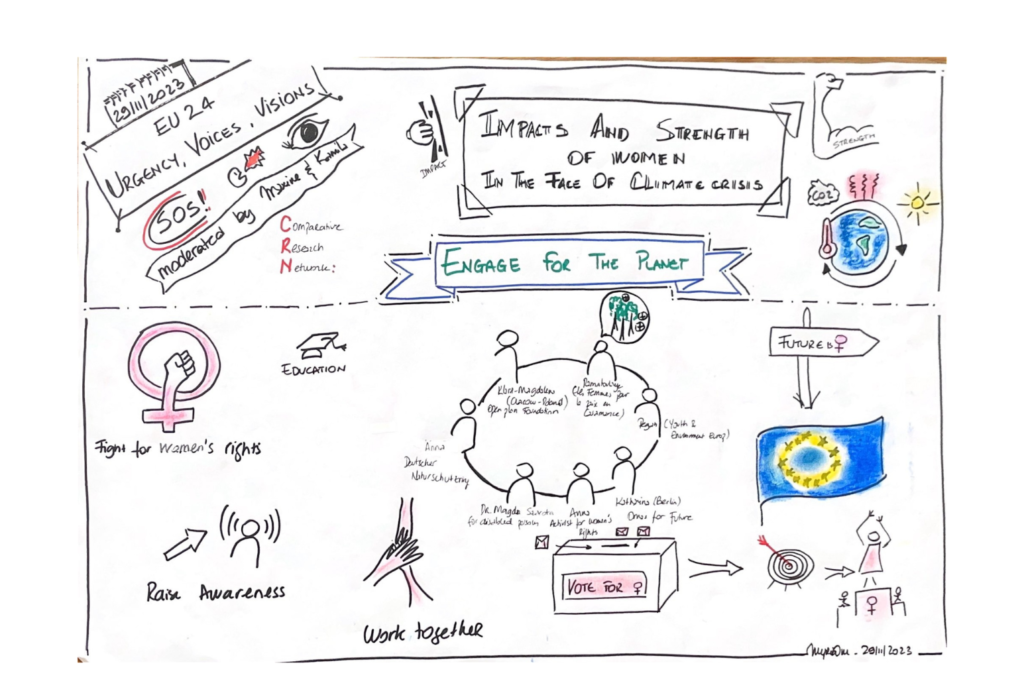
Sketchnote of the event made by Myriam Cottreau
In summary, the event not only catalysed discussions on climate justice but also acted as a platform for networking and future collaborations among passionate activists.
The debate can be seen on YouTube and the accompanying debate continues on the Kialo platform. Soon, the insights on the platform will be shared on social media.The hope is to reach even more people to inspire further action and dialogue.
]]>